7 Foods That Reduce Brain Inflammation and Support Brain Health
Chronic inflammation in the brain—often called neuroinflammation—is increasingly linked to conditions such as depression, Alzheimer’s disease, cognitive decline, and other neurological disorders.
While inflammation is a normal part of the body’s immune response, long-term low-grade inflammation can disrupt brain function and damage neurons over time.
Emerging research in fields like nutritional psychiatry and neuroscience suggests that what we eat plays a powerful role in regulating inflammation throughout the body—including the brain.
Certain foods contain compounds that help reduce oxidative stress, support the gut microbiome, and regulate immune responses, all of which influence brain health.
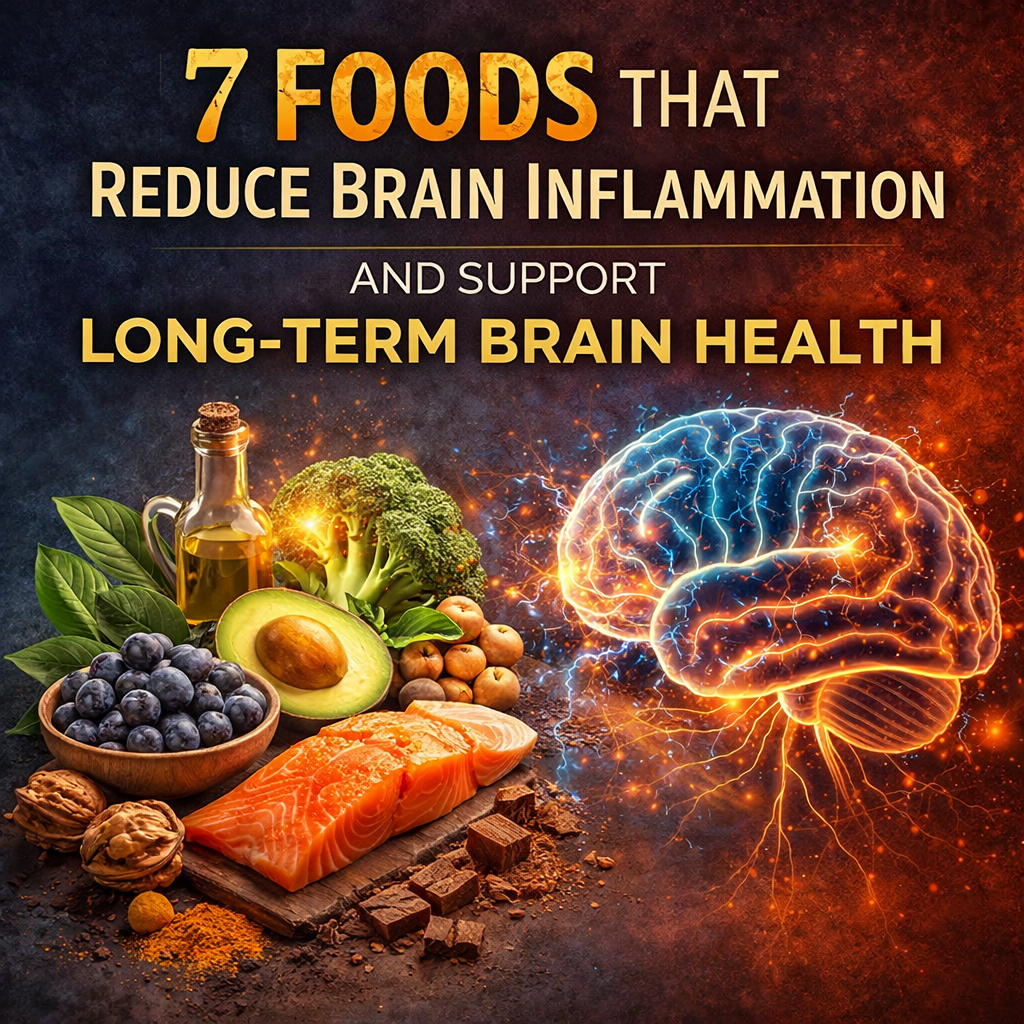
Here are seven foods that may help reduce brain inflammation and support long-term cognitive health.
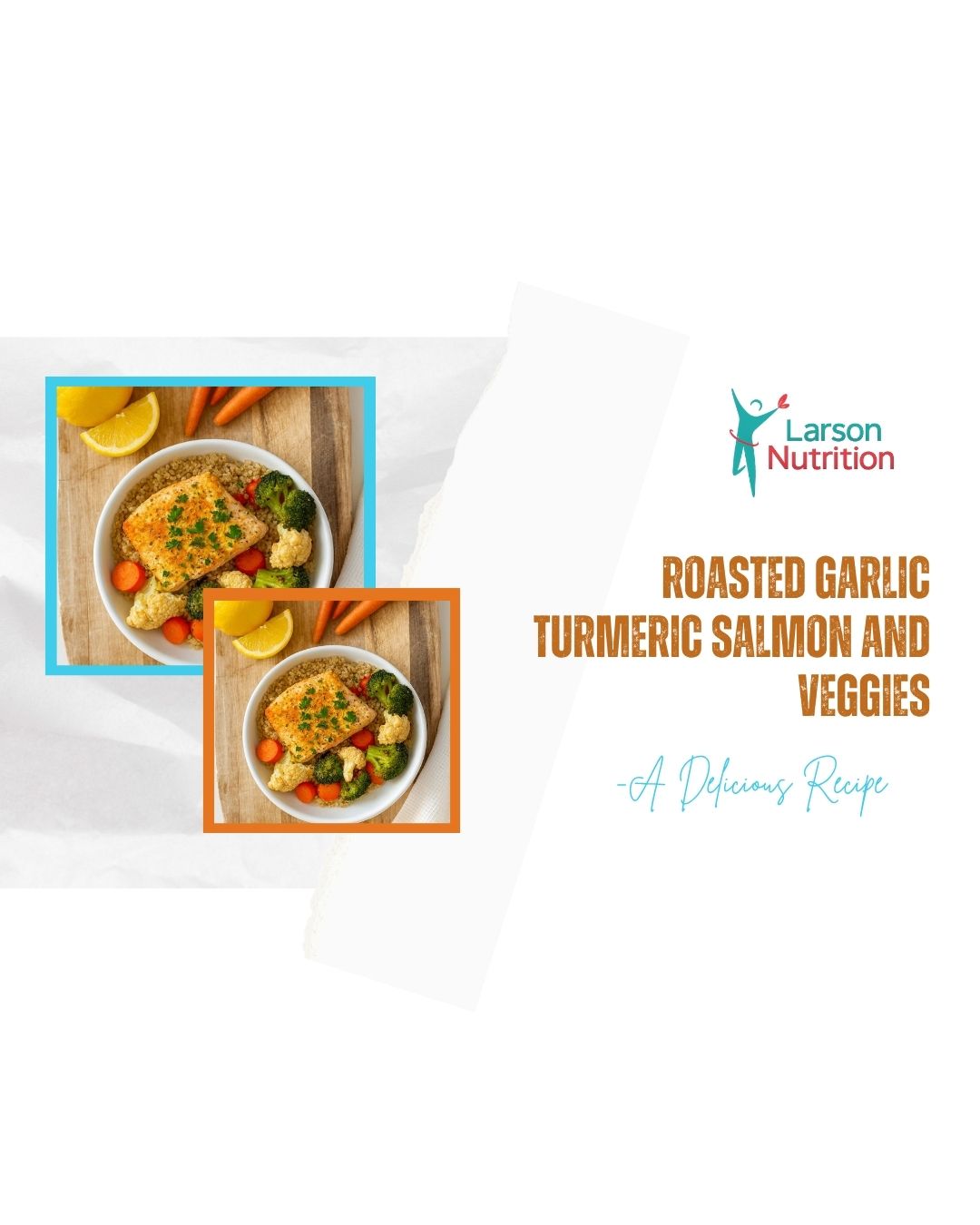
1. Fatty Fish Rich in Omega-3s
Fatty fish are one of the most powerful foods for brain health because they are rich in omega-3 fatty acids, particularly EPA and DHA.
These healthy fats help regulate inflammation and support the structure of brain cells.
Studies suggest omega-3s may help:
- Reduce neuroinflammation
• Support mood regulation
• Improve cognitive function
• Protect against age-related brain decline
Best options include:
- Salmon
• Sardines
• Mackerel
• Anchovies
• Trout
Health experts often recommend eating fatty fish two to three times per week as part of an anti-inflammatory diet.
2. Leafy Green Vegetables
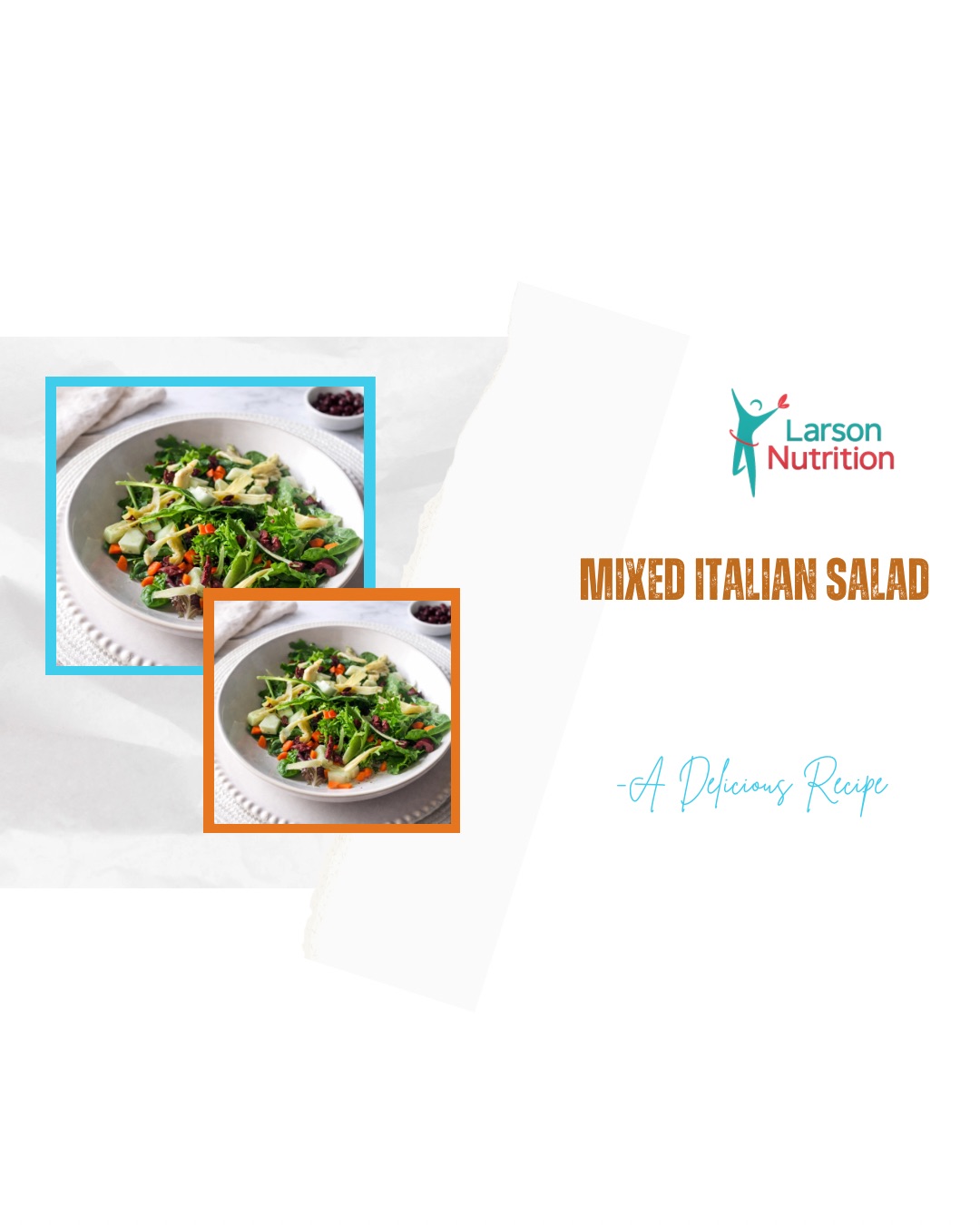
Leafy greens are packed with nutrients that protect brain cells and reduce inflammation.
They contain:
- Vitamin K
• Folate
• Lutein
• Beta carotene
• Antioxidants
These compounds help combat oxidative stress, which is closely tied to inflammation and neurodegeneration.
Examples of brain-healthy leafy greens include:
- Spinach
• Kale
• Swiss chard
• Collard greens
• Arugula
Some long-term studies suggest that people who regularly eat leafy greens experience slower cognitive decline as they age.
3. Berries
Berries are among the most powerful anti-inflammatory fruits.
They contain compounds called anthocyanins, which give berries their deep red, blue, and purple colors.
Anthocyanins act as antioxidants that help:
- Reduce inflammation
• Improve communication between brain cells
• Protect neurons from damage
• Support memory and learning
Some of the best berries for brain health include:
- Blueberries
• Strawberries
• Blackberries
• Raspberries
Research has shown that regular berry consumption may delay brain aging by several years.
4. Extra Virgin Olive Oil
Extra virgin olive oil is a cornerstone of the Mediterranean diet, which has been strongly linked to reduced inflammation and improved brain health.
Olive oil contains a powerful compound called oleocanthal, which has anti-inflammatory effects similar to certain medications used to reduce inflammation.
Benefits of olive oil may include:
- Reduced inflammatory markers
• Protection against cognitive decline
• Improved cardiovascular health
• Support for brain cell function
Choosing high-quality extra virgin olive oil ensures the highest concentration of beneficial polyphenols.
5. Nuts and Seeds
Nuts and seeds provide healthy fats, antioxidants, and minerals that support brain function and reduce inflammation.
They are particularly rich in:
- Vitamin E
• Magnesium
• Healthy fats
• Polyphenols
Vitamin E is especially important because it helps protect brain cells from oxidative damage.
Some of the best options include:
- Walnuts
• Almonds
• Chia seeds
• Flaxseeds
• Pumpkin seeds
Walnuts are particularly beneficial because they contain plant-based omega-3 fatty acids.
6. Turmeric
Turmeric contains a powerful anti-inflammatory compound called curcumin.
Curcumin has been widely studied for its potential role in protecting the brain and reducing inflammation.
Research suggests curcumin may:
- Cross the blood-brain barrier
• Reduce inflammatory signaling in the brain
• Support memory and cognitive function
• Increase levels of brain-derived neurotrophic factor (BDNF)
Turmeric is often more effective when consumed with black pepper, which significantly improves curcumin absorption.
7. Fermented Foods
Fermented foods help support the gut microbiome, which plays a critical role in regulating inflammation and brain health.
The gut and brain communicate through what scientists call the gut-brain axis.
Healthy gut bacteria help regulate immune activity and may influence mood, cognition, and neurological health.
Examples of beneficial fermented foods include:
- Yogurt with live cultures
• Kefir
• Sauerkraut
• Kimchi
• Kombucha
Supporting gut health may help reduce systemic inflammation and improve communication between the gut and the brain.
Why Diet Matters for Brain Inflammation
Diet influences several systems connected to brain health, including:
- The immune system
• The gut microbiome
• Oxidative stress levels
• Blood sugar regulation
• Cardiovascular health
Highly processed foods, refined sugars, and unhealthy fats can increase inflammation, while whole nutrient-dense foods help regulate it.
Over time, these dietary patterns may influence mental health, memory, and the risk of neurological disease.
The Bottom Line
Research continues to show that nutrition plays an important role in brain health.
Foods rich in antioxidants, healthy fats, fiber, and anti-inflammatory compounds may help protect the brain from chronic inflammation and support long-term cognitive function.
Incorporating foods like fatty fish, leafy greens, berries, olive oil, nuts, turmeric, and fermented foods into your diet may help create a powerful nutritional foundation for brain health.
Small dietary changes made consistently over time can have a meaningful impact on both physical and mental well-being.
Up Next
In an upcoming podcast episode, we’ll explore:
- The science behind brain inflammation and mental health
• How the gut microbiome influences mood and cognition
• Lifestyle habits that help protect the brain as we age
Stay tuned as we continue exploring the growing science of nutrition and brain health.